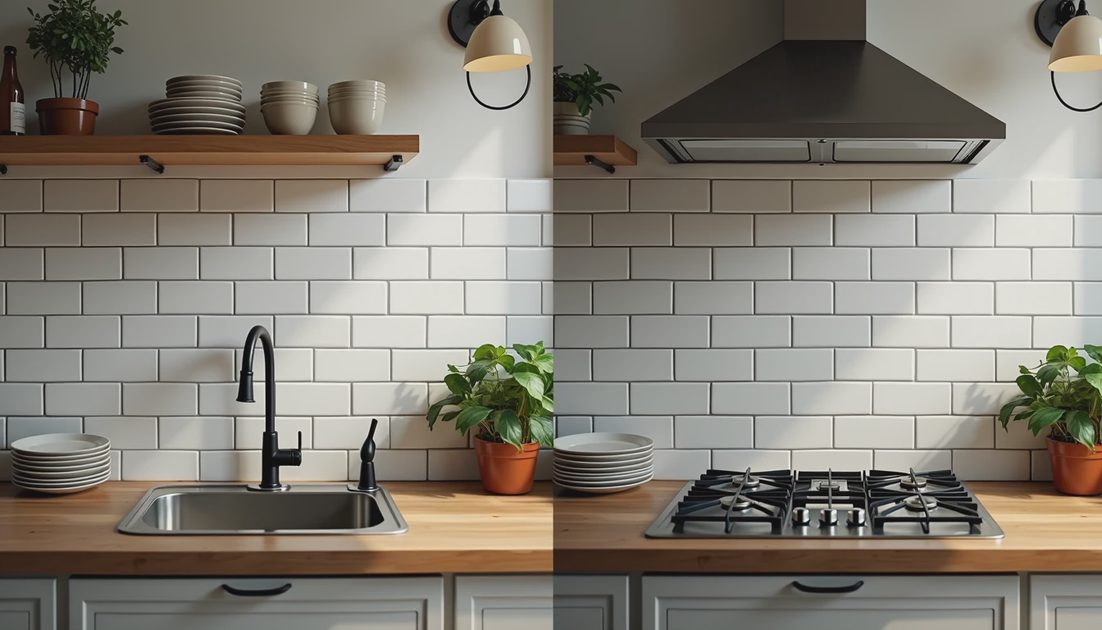
Six months ago, I peeled the backing off a stack of adhesive tiles and stuck them directly onto my rental kitchen backsplash. I didn't ask my landlord. I didn't test a sample patch. I just went for it — because that's the kind of chaotic confidence a $12 box of peel and stick tiles gives you. Now, half a year of cooking, steam, grease splatter, and one very aggressive cleaning session later, I'm ready to report back. What held? What failed? And would I do it again or tell you to run?
The Setup: What I Used and Where
I chose a 10-sheet pack of Smart Tiles in a white subway pattern from Home Depot — $11.97 total, marketed as "kitchen and bathroom safe." My rental kitchen has a standard laminate countertop and a short, four-inch backsplash that transitions into flat, painted drywall. I cleaned the wall with rubbing alcohol, measured the area, and cut the tiles with kitchen scissors. The whole thing took 47 minutes, including the time I spent peeling a tile off to reposition it because I'd stuck it crooked. That's the beauty of temporary backsplash rental solutions: you can fix your mistakes in real time.
Six Months In: What Actually Held
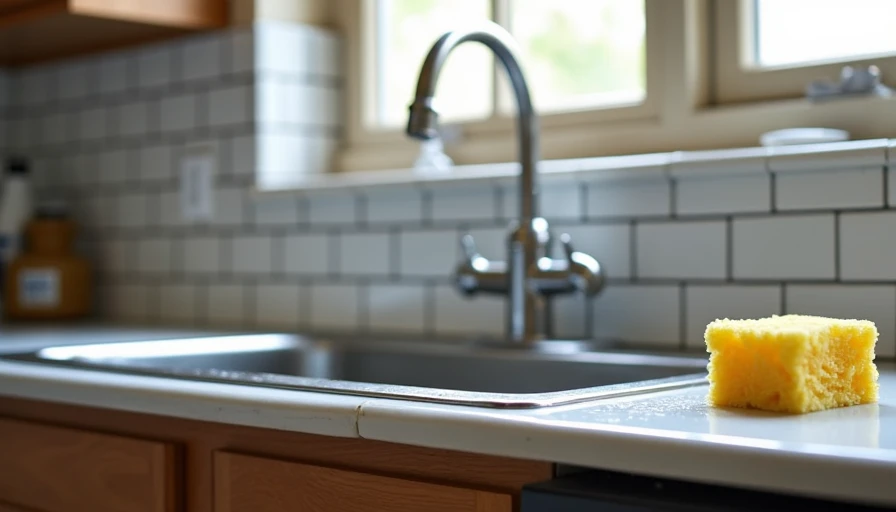
The short answer: most of it. The tiles behind the sink — the ones exposed to daily water spray, dish soap, and the occasional pasta sauce catastrophe — are still firmly attached. No curling at the edges. No peeling at the seams. I've wiped them down with a damp sponge weekly and once with a degreaser, and the surface hasn't clouded or yellowed. That's a win I did not expect. The tiles behind the stove are a different story, but the ones directly above the prep area look exactly like they did on day one. For a renter-friendly kitchen upgrade, that's a solid result.
The adhesive held impressively well on the painted drywall. In fact, I tested a corner tile by gently tugging at the edge, and it didn't budge. However — and this is crucial — I haven't tried to remove them yet. That's the real test, and it's the one that determines whether this is a deposit-safe peel and stick tile solution or an expensive mistake waiting to happen.
What Failed (And Why It's Partially My Fault)
Two tiles directly behind the stove — the ones that got hit with the most heat and oil splatter — started to lift at the top corners around month four. The adhesive softened slightly from repeated heat exposure, and the weight of the tile pulled it away from the wall by about a millimeter. I pressed it back down, and it has mostly stayed, but it's no longer flush. The lesson: peel and stick backsplash tiles work best on surfaces that don't face direct, sustained heat. If I'd installed a small stainless steel splash guard behind the stove first, this probably wouldn't have happened.
Also, the seam between two tiles above the sink has collected a thin line of grime that doesn't fully wipe away. It's not mold — I checked obsessively — but it's a discoloration that bothers me. I'll address this when I eventually remove them, but it's worth knowing before you commit to a temporary wallpaper for renters product that lives in a splash zone.
The Grout Line Reality Check
These tiles don't come with grout, and that's both a blessing and a curse. Without grout, the gaps between tiles are visible up close, and they trap crumbs and moisture. From three feet away, the subway pattern reads as a seamless backsplash. From six inches away, you can tell it's plastic. That's the trade-off with apartment peel and stick floor tile or wall tile products: they photograph beautifully but don't survive close inspection. If you're hosting a dinner party, no one will notice. If your landlord does an inspection, they might — especially if the edges are lifting.
Would I Do It Again?
Absolutely — but with adjustments. I'd install a heat shield behind the stove first. I'd clean the wall twice before application, not once. And I'd buy one extra pack of tiles to keep in the closet for mid-lease repairs. The total cost was under $12, and the transformation made my rental kitchen feel like a space I chose, not one I settled for. That's the point of a renter-friendly kitchen upgrade that doesn't drill, paint, or permanently alter anything.
The real verdict comes when I move out. I'll document the removal process — the residue, the paint pull, the deposit impact — and publish it here. Until then, six months in, peel and stick tiles have earned my cautious recommendation. Just keep them away from your stove.

No letters yet — be the first guest to write.