My first landlord handed me the lease and said, "No painting. No nails. No changes." I nodded, signed, and spent the next year staring at beige walls that made me feel like I lived in a waiting room. By my third rental, I'd learned that "no paint" isn't the same as "no personality." It just means you have to get smarter. If your landlord said no to paint, here's every reversible thing you can actually change — the walls, the cabinets, the surfaces — without losing a dollar of your security deposit.
The Walls: What You Can Do Instead of Paint
Paint is the obvious fix. It's also permanent, messy, and the fastest way to lose your deposit if the landlord didn't approve it. But rental wall ideas without paint are everywhere once you start looking. Removable wallpaper is the big one — brands like Tempaper and Spoonflower make peel-and-stick sheets that go up in an afternoon and peel off without residue. I used a white-and-charcoal pattern on a single accent wall in my Dogtown bedroom, and when I moved out, the wall looked untouched.
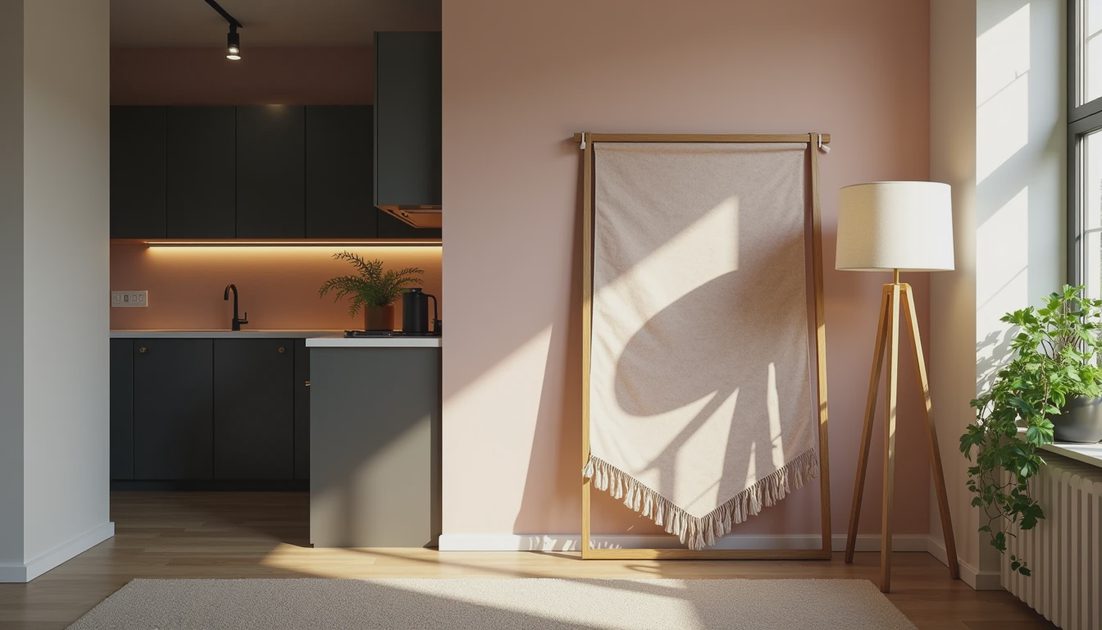
Fabric is another option. I once stretched a $12 tapestry from a flea market over a lightweight wooden frame and leaned it against the largest wall in my living room. It covered nearly 20 square feet of beige and came down in under a minute. That's no paint apartment decorating at its most literal: you're decorating the space, not the drywall.
For something smaller, try adhesive art panels or a tension-rod curtain wall. I hung floor-to-ceiling curtains across an entire wall in my Tower Grove studio using a ceiling-mounted tension rod. The wall behind it was a sad, scuffed mess. No one ever knew. This is the ultimate renter-friendly wall covering trick: if you can't change the wall, put something better in front of it.
The Cabinets: Contact Paper and Hardware Swaps
Kitchen cabinets in rentals are almost always ugly. Mine are a shade of beige laminate that haunts my dreams. I couldn't paint them, so I covered the flat front panels with removable contact paper for rental cabinets in a matte charcoal finish. It cost $14 for a roll, took two hours with a utility knife and a ruler, and looks like I installed new cabinet fronts. The paper peels off without leaving adhesive behind — I tested a corner after a month just to be sure.
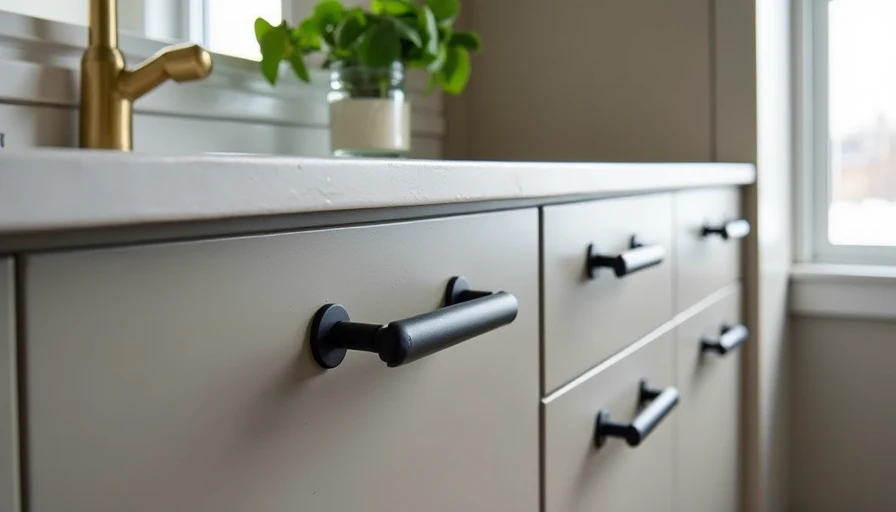
Then I swapped the cabinet knobs. The original hardware was tarnished brass from approximately 1994. I unscrewed all six knobs, bagged them with a label, and replaced them with matte black bar pulls that cost $18 total. When I move, I'll put the original knobs back on and take my black pulls with me. This is a temporary kitchen upgrade rental landlords never complain about because there's nothing to complain about.
The Floors: Rugs, Runners, and Peel-and-Stick
You can't change the flooring. You can cover most of it. I've used an indoor/outdoor runner in my kitchen, a 5x7 flatweave in my living room, and a peel-and-stick vinyl tile mat in my entryway — none of which touched the original floor in any permanent way. The peel-and-stick tiles are marketed as "temporary floor covering" and they genuinely lift up without residue. I'll verify this when I move, but a corner test was clean.
If your rental has truly awful carpet, a large area rug layered over it can redefine the room. This is decorating when you can't paint applied to the horizontal plane: you're not changing the permanent surface, you're building a removable one on top of it.
The Lighting: Plug-In Everything
Rental ceiling lights are a curse. Mine is a flush-mount dome that casts the kind of light usually reserved for interrogations. I unscrewed the bulbs, left the fixture in place, and lit the entire room with plug-in sources: a floor lamp, a table lamp, and two clip-on sconces that attach to my freestanding shelf. All of it plugs into outlets. None of it touches the ceiling. When I move, the ugly dome light goes back on and the landlord will never know I lived in the dark for strategic reasons.
Plug-in pendant lights and swag kits let you hang a fixture from a hook without hardwiring anything. I used one in my bedroom corner and ran the cord down the wall with clear adhesive clips. It's a landlord-approved apartment updates workaround that costs about $25 and leaves no trace.
The One Thing I Always Change First
Before I unpack a single box in a new rental, I change the showerhead. The stock one is always terrible — low pressure, clogged holes, sprays water sideways like a sprinkler from 1987. A new showerhead costs $20–$30, installs by hand without tools, and gets swapped back when the lease ends. It's the smallest rental makeover without painting with the biggest daily impact. If you do nothing else on this list, do this.


No letters yet — be the first guest to write.